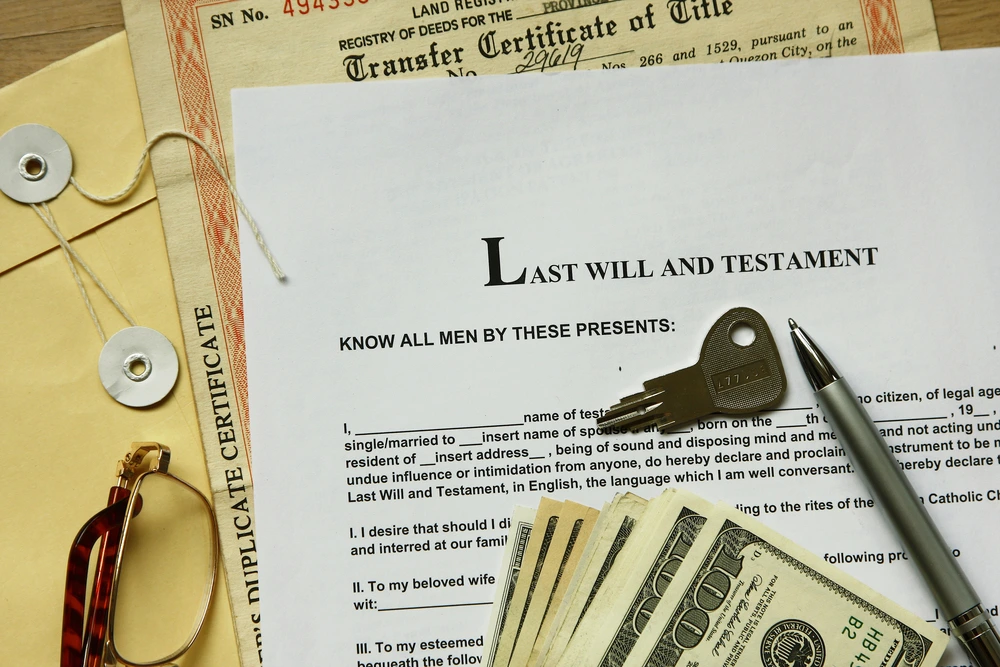
In California, a car title can often be transferred after someone dies without going through full probate. The Department of Motor Vehicles (DMV) allows certain heirs or beneficiaries to complete the transfer using a small estate affidavit or other required forms. The specific process depends on factors such as the total value of the estate, whether the vehicle was held in a trust, and whether the deceased left a valid will.
California Law Allows Simplified Transfer of Vehicles After Death
California law provides procedures for transferring certain assets after death without opening a formal probate case. These simplified procedures are often used when the estate qualifies as a “small estate.”
Under California Probate Code § 13100, heirs may use an affidavit procedure to claim personal property belonging to a deceased person when the gross value of the decedent’s personal property falls below the statutory threshold. The figure adjusts periodically for inflation under Probate Code § 890, and as of 2026, it is $208,850. Vehicles are commonly transferred using this process when the estate qualifies. Instead of initiating a formal probate case, the heir can present documentation to the DMV demonstrating the right to inherit the vehicle.
Determine Who Has Legal Authority to Transfer the Vehicle
Before transferring a vehicle title, the first step is determining who has the legal right to the vehicle. This authority may come from several sources:
- If the deceased person left a will, the executor named in the will typically has authority to manage the estate and convey the vehicle
- If the estate is being probated, the court-appointed personal representative handles the transfer
- If no probate is opened and the estate qualifies as a small estate, heirs may use the affidavit procedure under § 13100
- If the vehicle was jointly owned with right of survivorship, the surviving owner may be able to update the title directly
Determining the proper authority is important before submitting documents to the DMV.
Documents Typically Required to Transfer a Vehicle Title
The California DMV generally requires specific documents to complete a title change after death. Common requirements include the existing certificate of title, a certified copy of the death certificate, and a completed title transfer application. The DMV also requires documentation showing who is entitled to receive the vehicle.
Depending on the circumstances, this documentation may include:
- A small estate affidavit
- Letters testamentary or letters of administration from the probate court
- A will naming the beneficiary
- Other supporting materials verifying inheritance rights
The exact paperwork depends on whether the estate is being probated and how the vehicle was owned.
Using the California Small Estate Affidavit
Many vehicle transfers occur through the small estate affidavit procedure. Heirs may claim property belonging to a deceased person by submitting a sworn affidavit stating that:
- At least 40 days have passed since the death
- The estate qualifies under the statutory value limit
- The person signing the affidavit is entitled to the property
The affidavit must also include specific statements required by statute. Once completed, it can be presented to institutions or agencies holding the property, including the DMV. If the estate qualifies, this process avoids the time and expense associated with formal probate proceedings.
DMV Forms Used in Vehicle Transfers After Death
The California DMV has specific forms designed for title transfers following a death. One commonly used form is the Affidavit for Transfer Without Probate (Form REG 5), used when the vehicle owner has died, and the estate qualifies for transfer without probate.
The DMV may also require the Application for Title or Registration (Form REG 343) and other records verifying the legal authority of the person requesting the transfer. Each form must be completed carefully because errors or missing information can delay the process.
What Happens if the Estate Goes Through Probate?
If the estate requires probate, the process for transferring the vehicle changes. The personal representative appointed by the probate court receives formal authority through letters testamentary or letters of administration issued by the court. These documents confirm the representative’s authority to act on behalf of the estate.
Once the court authorizes distribution of the vehicle to a beneficiary, the representative can complete the DMV transfer using the court-issued documents. Probate transfers may take longer because distribution must follow the court-supervised administration of the estate.
Special Situations That Affect Vehicle Transfers
Several ownership structures can affect how a vehicle title is transferred after death:
- Joint ownership with right of survivorship: The surviving owner may become the sole owner automatically and can usually update the title by submitting the death certificate and required DMV forms.
- Living trust ownership: The successor trustee may have the authority to transfer the vehicle according to the trust terms.
- Business entity ownership: Documentation demonstrating the authority of the person acting on behalf of the entity may be required.
Common Issues That Delay Vehicle Title Transfers
Vehicle title transfers after death sometimes encounter problems when the required documentation is missing or inconsistent. Common issues include:
- A missing or incomplete original title, which may require additional steps to obtain a replacement
- Heir disagreements about who should receive the vehicle can cause the DMV to pause processing until the dispute is resolved
- Errors in affidavits, missing signatures, or incorrect form completion
Ensuring the correct documents are submitted the first time helps avoid these delays.
Why Estate Planning Can Simplify Asset Transfers
Vehicle title transfers often become complicated because the estate plan does not clearly address ownership or distribution of assets. Estate planning tools such as living trusts, wills, and beneficiary designations can reduce confusion after death. Clear documentation allows family members or fiduciaries to demonstrate authority when changing ownership of property. While California law provides simplified procedures for certain estates, planning ahead can make the process smoother and faster for loved ones.
Contact a Guidance for Vehicle Transfers After Death in California
Transferring a car title after someone dies requires careful attention to California probate law and DMV procedures. Determining the correct legal authority and submitting the proper documentation are required steps. For assistance with estate administration or asset transfers in California, call Kimberly D. Nielsen and our estate planning team at Frisella Neilson, APC, or contact us online to discuss your situation.
We serve all areas in San Diego and throughout California.
Frisella Neilson, APC